


The goal of Nevada’s mortgage and foreclosure laws is to protect both lenders and borrowers. Nevada homeowners need to know these rules, especially if they are having money problems. The state uses a nonjudicial foreclosure system, which is usually faster than a court process. Understanding your rights and what to do during the foreclosure process in Nevada can help keep your property safe and limit your financial damage.
The Process of Foreclosure in Nevada
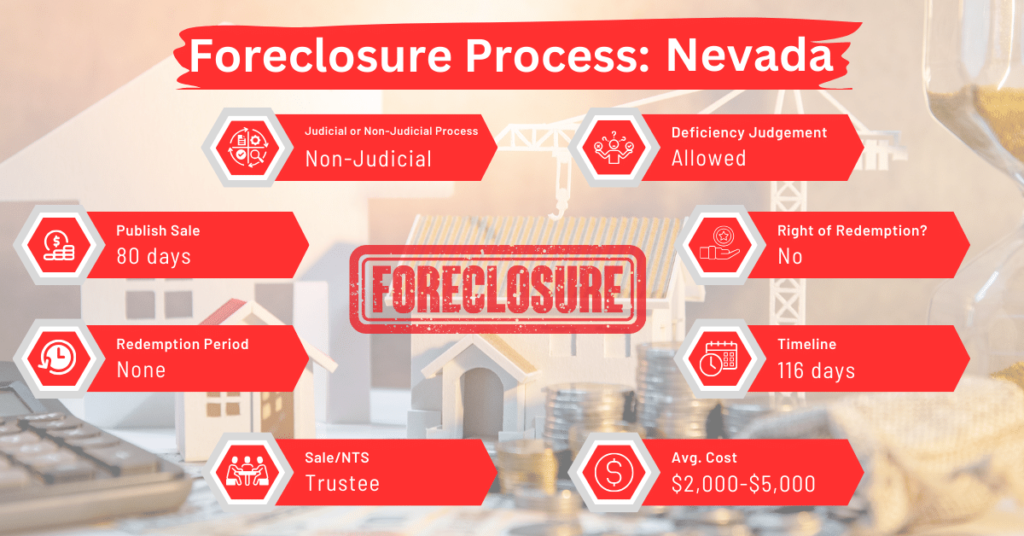
When a borrower stops making their mortgage payments, the foreclosure process in Nevada starts. The lender must first send a notice of default to the homeowner, which is then officially recorded. After this notice, the law says that there must be a waiting period before anything else can happen. If the borrower doesn’t fix the default, the lender can send a notice of sale, which means the property will be sold at auction. This process is very tightly controlled, so both sides have to follow certain rules.
Rights and protections for borrowers
Borrower rights are very important in the process of foreclosure. Under Nevada law, lenders must let homeowners know at each step and give them chances to mediate. Mediation can help borrowers and lenders come to agreements, like changing the terms of a loan or making a repayment plan, before the foreclosure process begins. Homeowners can also reinstate the mortgage by paying off late payments at certain times, up until just before the property is sold.
A schedule and steps for homeowners

In Nevada, the law says how long a foreclosure can take. Most of the time, homeowners have at least 90 days after getting a notice of default to set up a sale. They can look into their options, get legal advice, or take part in mediation during this time. Borrowers need to act quickly because each step of the process has its own rules and deadlines. Homeowners can take charge and look out for their own interests by knowing the timeline.
Questions that are often asked
How long does it take for a house to be foreclosed on in Nevada?
The process usually takes about 120 days from the notice of default to the sale, but this can change depending on the situation.
What rights do I have as a borrower who is going through foreclosure?
You have the right to get notices, ask for mediation, and get your mortgage back before the sale date.
Does Nevada have a system where foreclosures don’t go through the courts?
Yes, most foreclosures in Nevada happen without going to court. They happen through a process that doesn’t involve the courts.
Can I stop the foreclosure once it has started?
Homeowners can often avoid foreclosure by fixing the problem, talking to the lender, or going to mediation.
Featured Image
Images are by Canva.com
Read more about: Cryptocurrency & Blockchain Regulations in Nevada